

temptations - ‘cool cats only’ [A.i.]
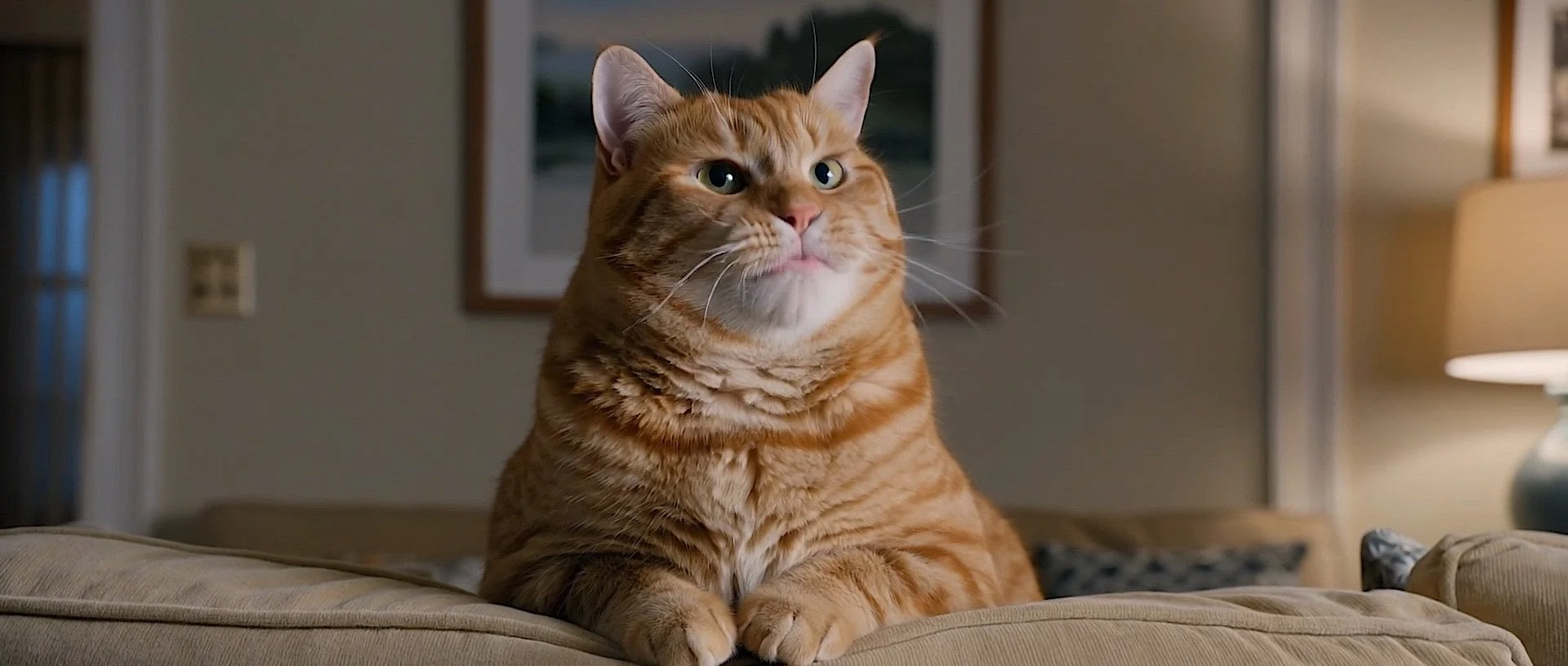
People love singing cats.
Put a cat on screen. Give it a little personality. Make it sing. Somehow, it just works. So we started with a pretty simple idea: cats singing The Temptations. And then we realized there was a pretty perfect connection hiding in plain sight:
Temptations is both the product and the legendary music group behind the song. Suddenly, “Ain’t Too Proud to Beg” wasn't just a great track for a bunch of singing cats. It actually made sense for the brand. Because what does a cat want more than anything?
The treats they're begging you for.
WHY A.I.?
This wasn't about proving that A.I. is cheaper. It was about learning how to use it without putting a client's money—or a real production—at risk.
We wanted to get our hands dirty with the tools. Figure out what they're actually good at. Find the limitations. Understand where they can save time, where they create more work, and where traditional production, CGI or VFX are still the better answer. So we built a spec. A real idea. A real product. A finished piece. Real visual results. And we did it with as little financial risk as possible.
That makes experiments like this incredibly useful. We're able to take what we learn and bring it into actual client conversations and productions—with something more meaningful than a PowerPoint slide saying “A.I. can do this.” We can actually show them.
Here's what we made. Here's how we made it. Here's what worked. Here's what didn't. And here's what we think we could do for you.Some of the things we create through these experiments may even have a life beyond the case study—ideas, assets and visual approaches that could potentially be developed further or used by clients down the road.
That's the real value of the exercise. We're building a library of experience, techniques and actual visual proof that can make us better partners when the right client project comes along.
THE PROCESS
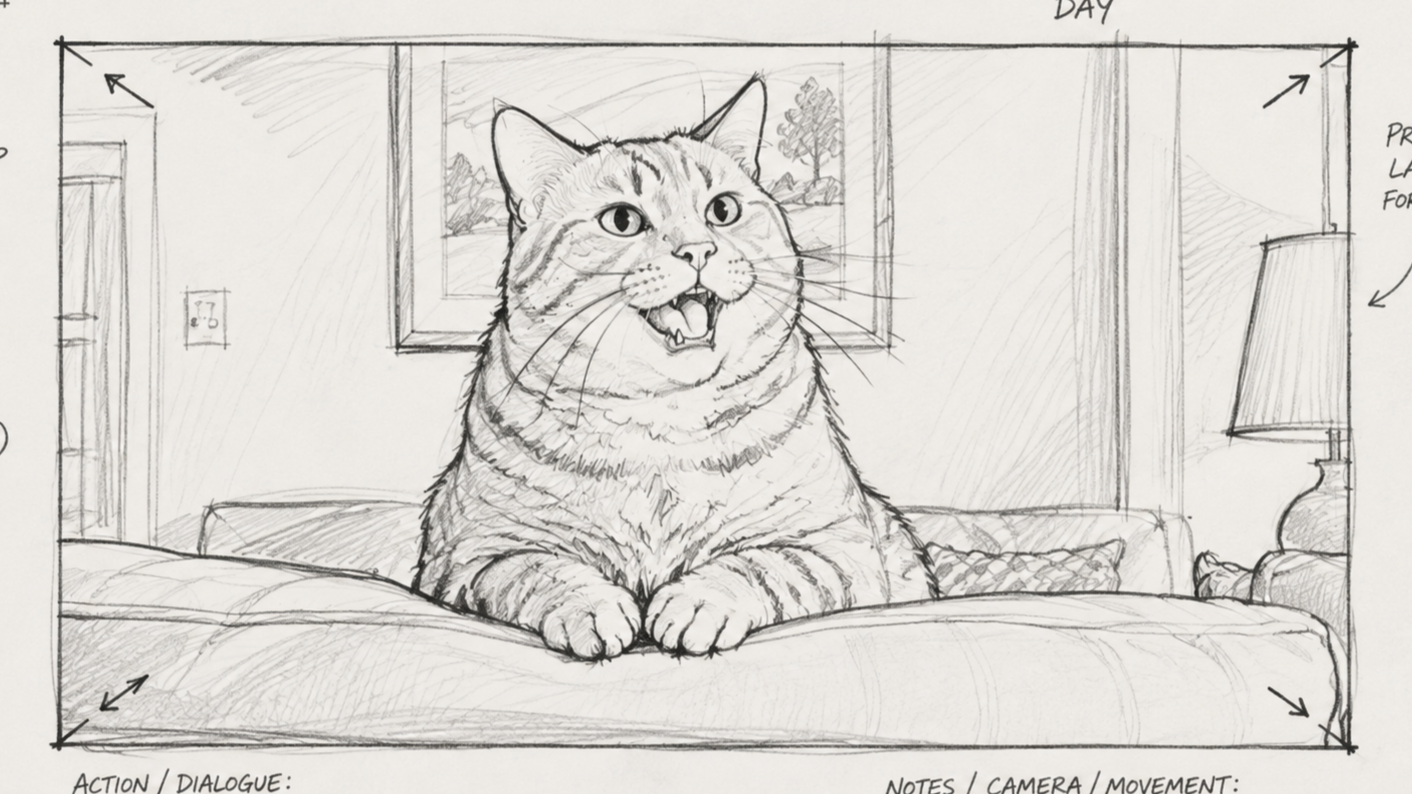
We started by generating individual cats and exploring different looks, expressions and personalities. Then we gave each cat its own moment. Rather than trying to create one group performance, each cat sings individually in its own scene, taking on a different part of “Ain't Too Proud to Beg.”
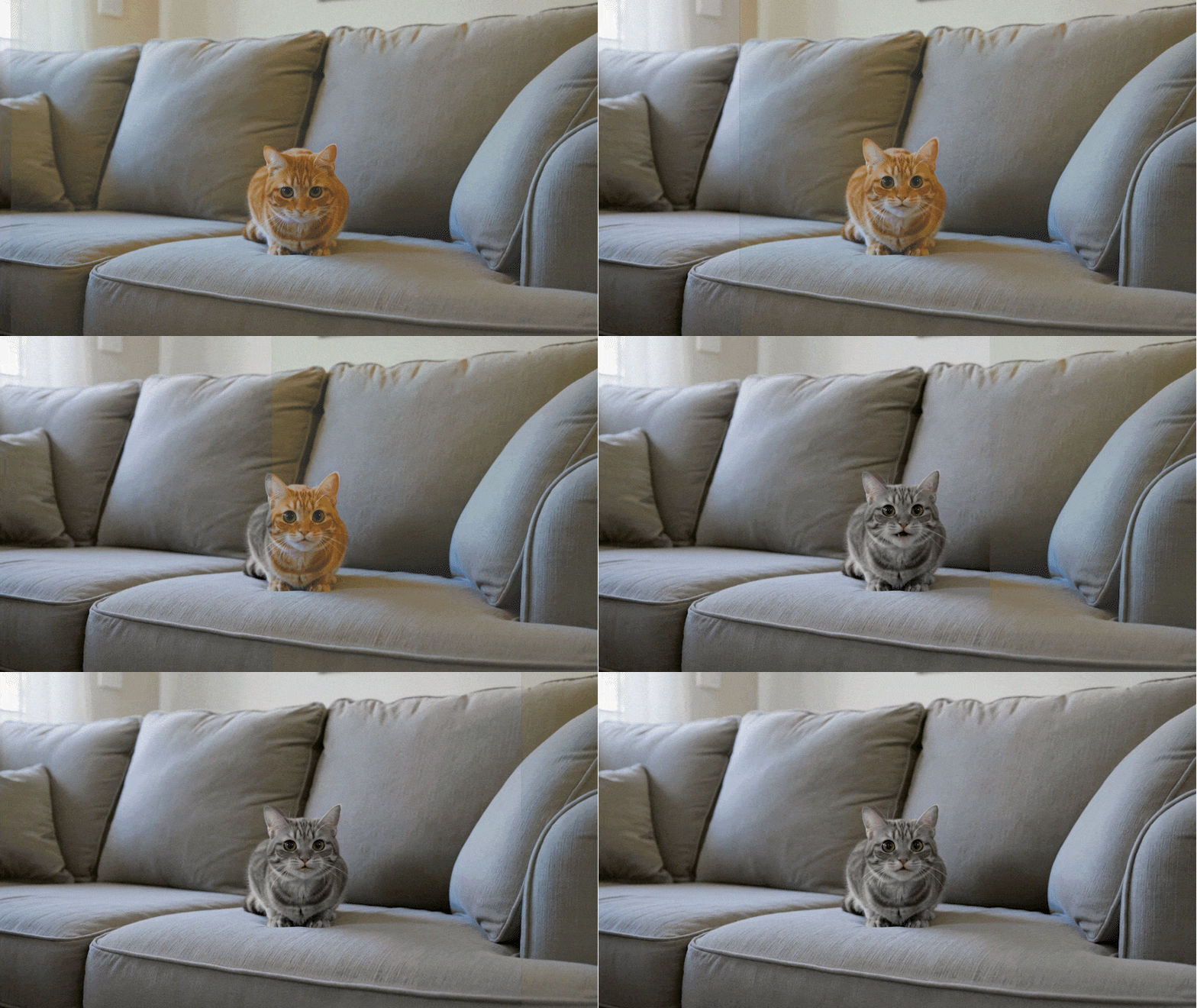
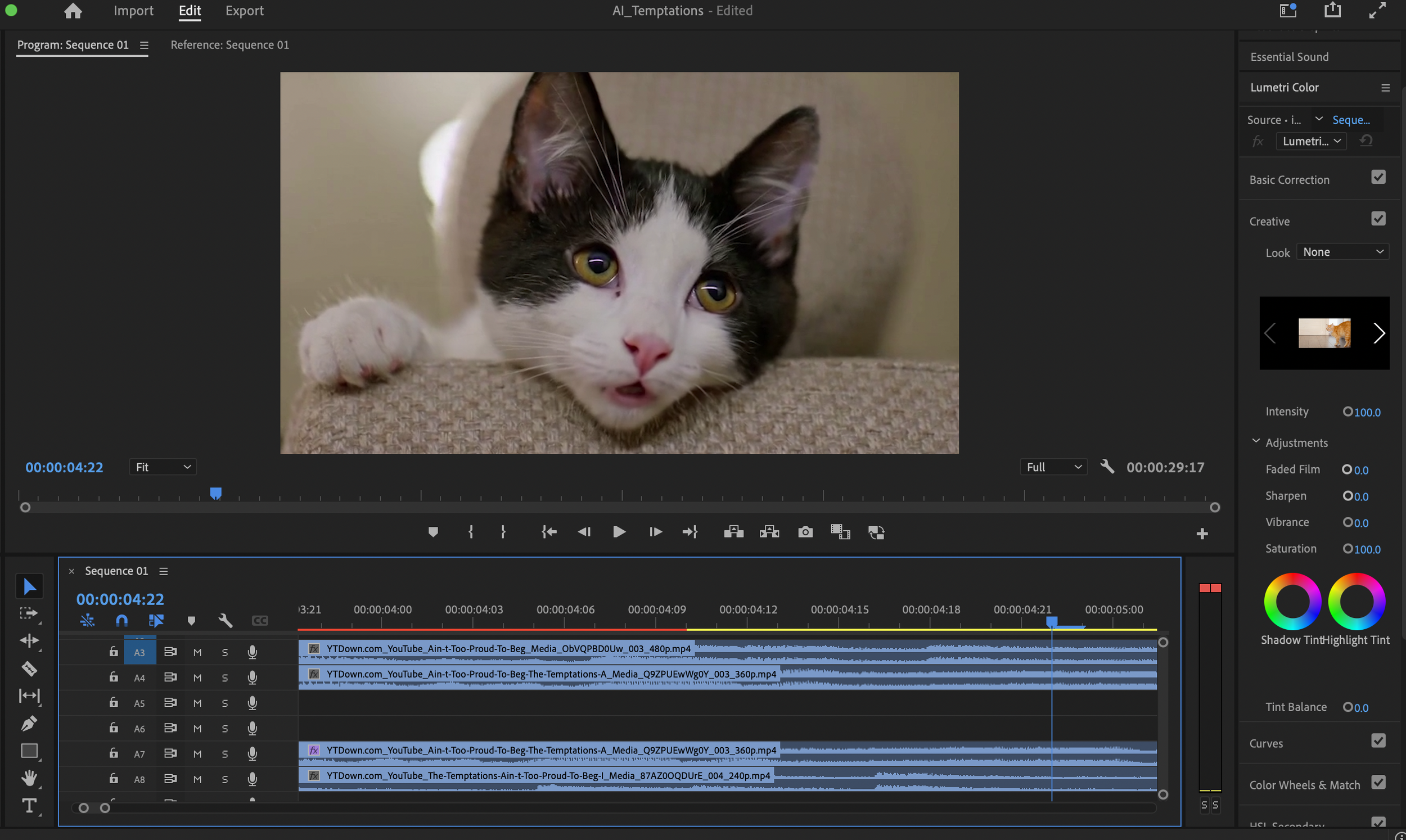
We synced their mouth movements to the track, generated and regenerated performances, and then edited the strongest moments together. We also used A.I. to incorporate the actual Temptations cat treat into the scenes, allowing the product to exist naturally inside a world that didn't physically exist.That was one of the most interesting parts of the experiment.
Traditionally, we'd be thinking about casting, locations, production design, product photography, animal handling and then potentially VFX to bring everything together. Here, we could explore all of those things simultaneously. Of course, it wasn't always perfect.
A cat might look great in one generation but lose its personality in the next. A product might look right from one angle and completely wrong from another. A mouth movement might nail the song while everything else falls apart. So we kept pushing. Generate. Select. Adjust. Repeat.Then we brought all those individual performances, environments and product moments together in the edit.
WHAT WE LEARNED
The best part of this experiment wasn't simply proving that A.I. could make cats sing. It was seeing how the technology could serve the idea. The Temptations connection gives the spot its creative logic. “Ain't Too Proud to Beg” gives the cats their motivation. The treats give them something to beg for. And A.I. gives us a way to create the entire thing—from performers to environments to product integration.
That's when A.I. gets interesting to us. Because A.I. can generate an incredible number of possibilities. The human part is knowing which ones are actually worth pursuing. And that's ultimately what these experiments are about.
And sometimes, the best way to learn a new tool is to give it a completely ridiculous assignment: Make a bunch of cats sing The Temptations.