

HELLUVA GOOD - ‘GET MESSY’ [a.i]
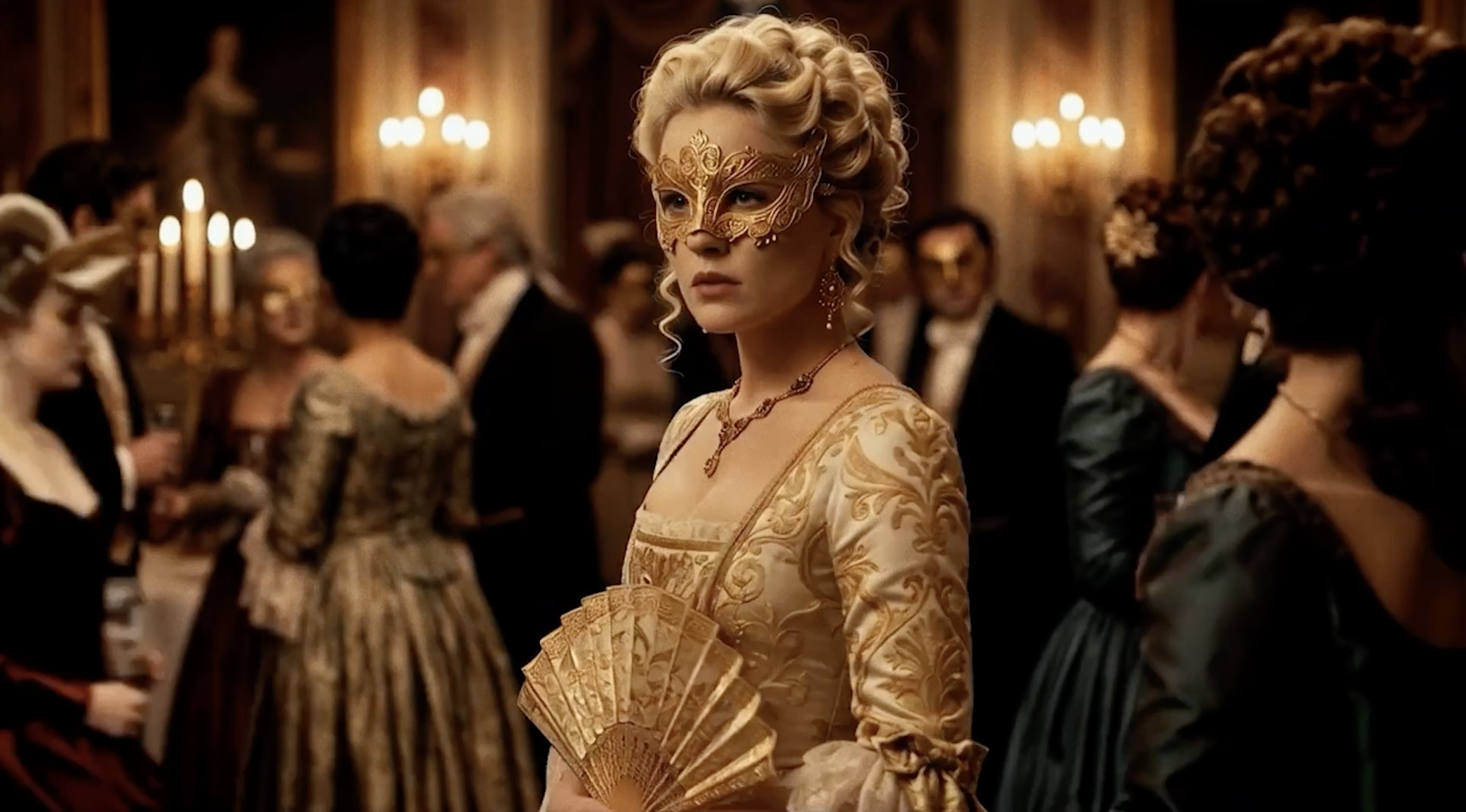
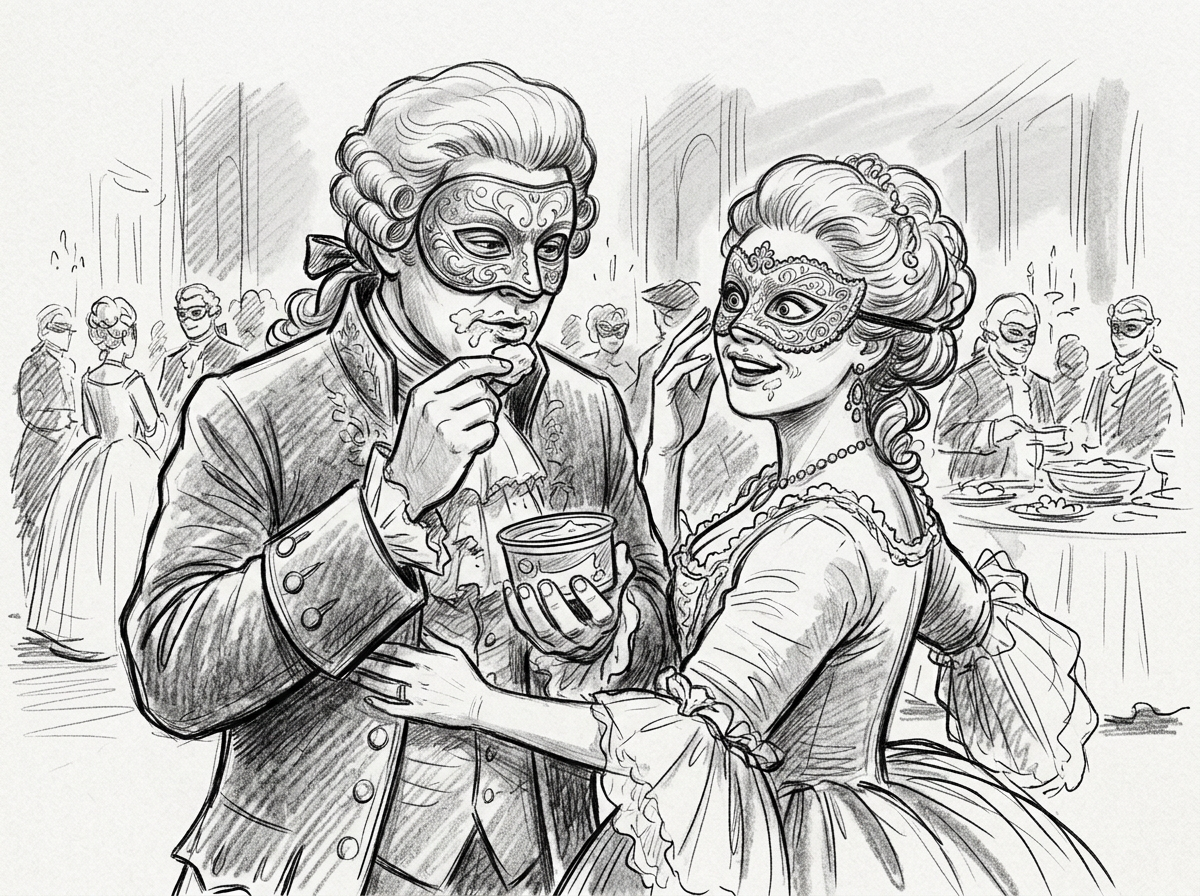
DIP INTO SOMETHING DIFFERENT.
AI is moving fast. Rather than sit back and watch it happen, we’d rather get our hands dirty.
For this Helluva Good exploration, we wanted to see how AI could help us take a simple product idea and push it somewhere unexpected—building a playful, heightened world around the brand while still making the product feel like the hero.
WHY A.I.?
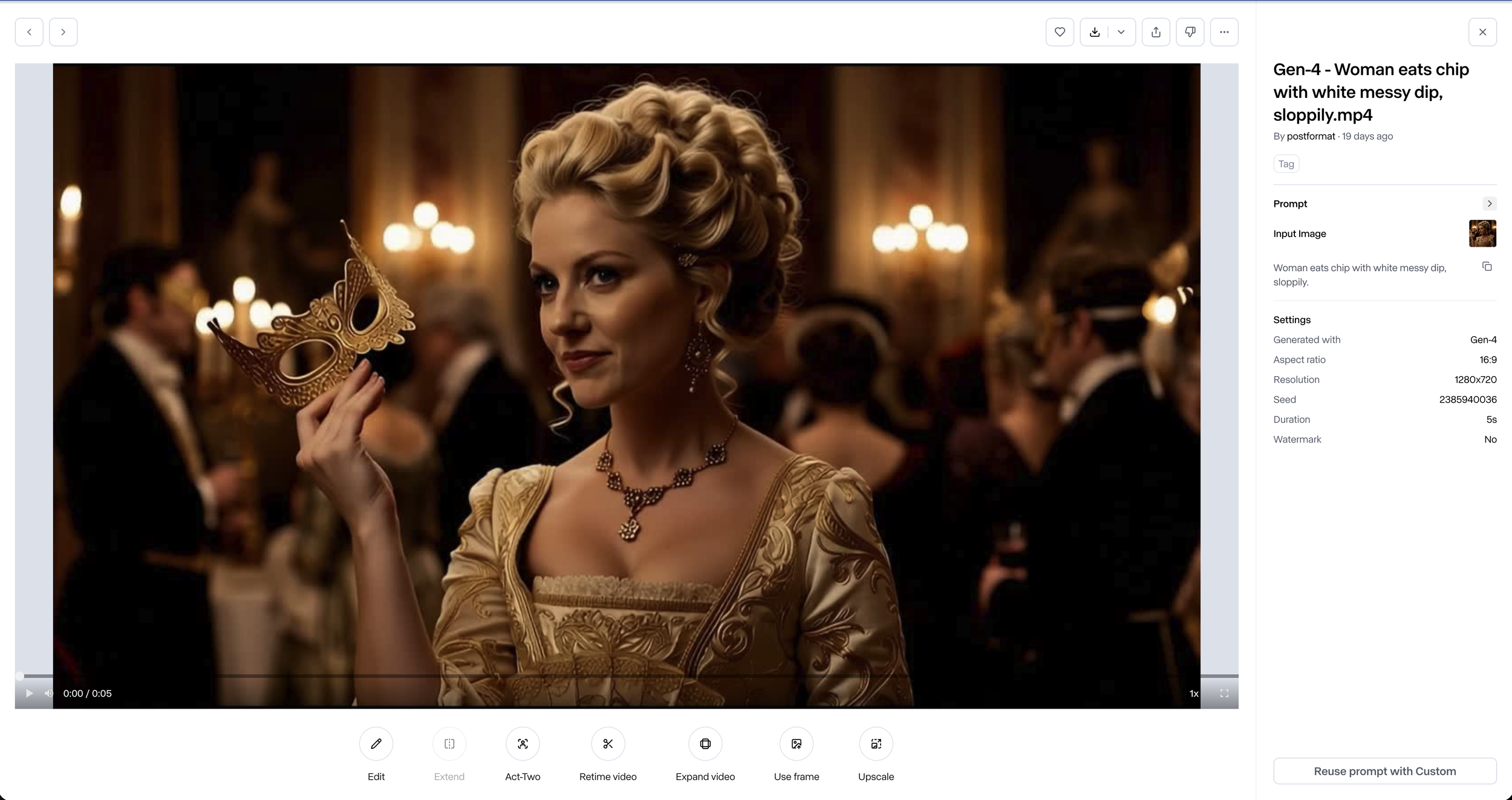
Not because it’s faster. Not because it’s cheaper. And definitely not because we want a robot doing all the fun stuff. We’re interested in AI because it gives us another way to explore.
It lets our directors, designers, animators and editors rapidly test visual ideas that might otherwise never make it past the sketchbook. Strange environments. Impossible camera moves. Unexpected transitions. Different styles, textures and worlds. The goal isn’t to replace the filmmaking process. It’s to expand what we can imagine—and give us another tool to figure out how to get there.
THE PROCESS
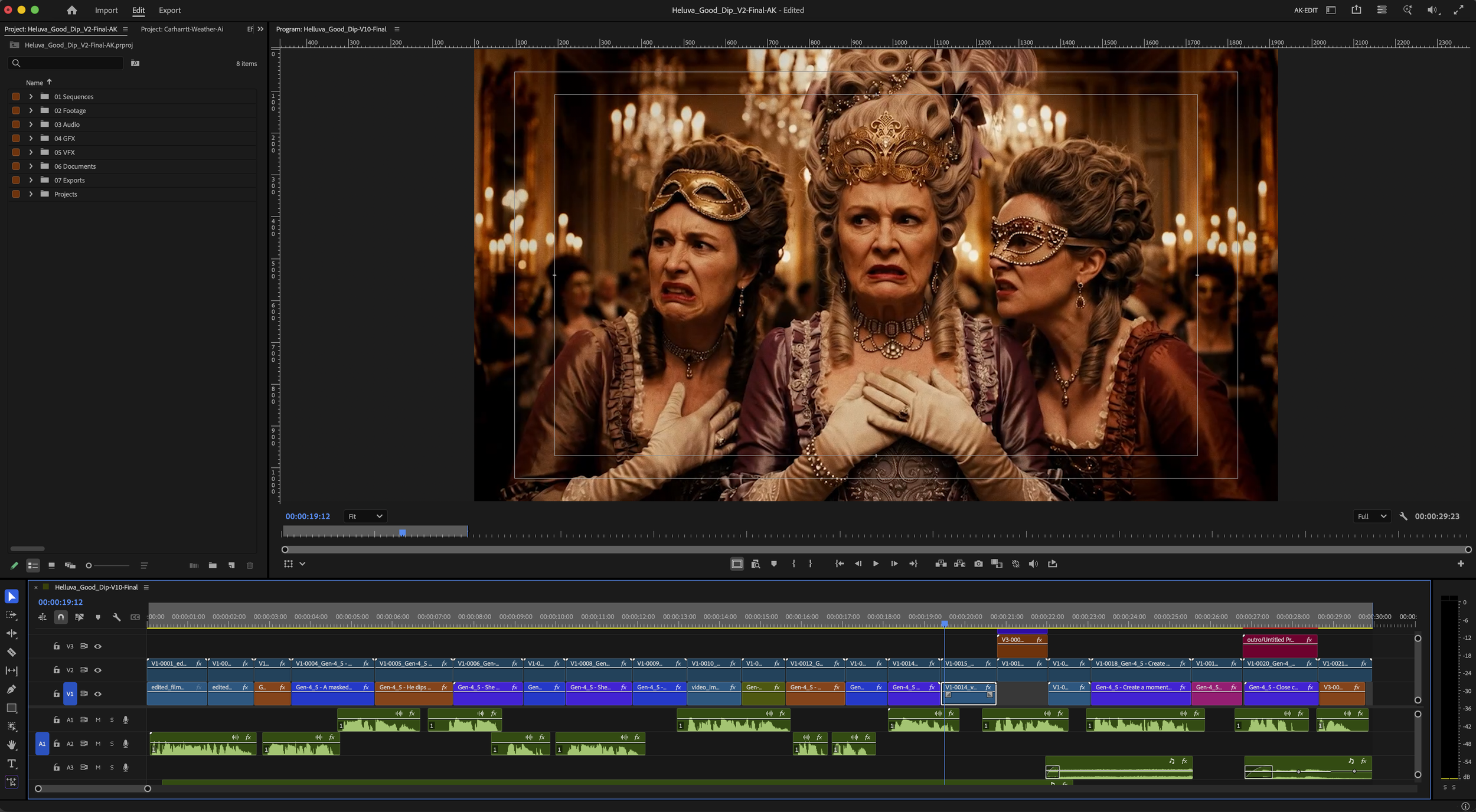
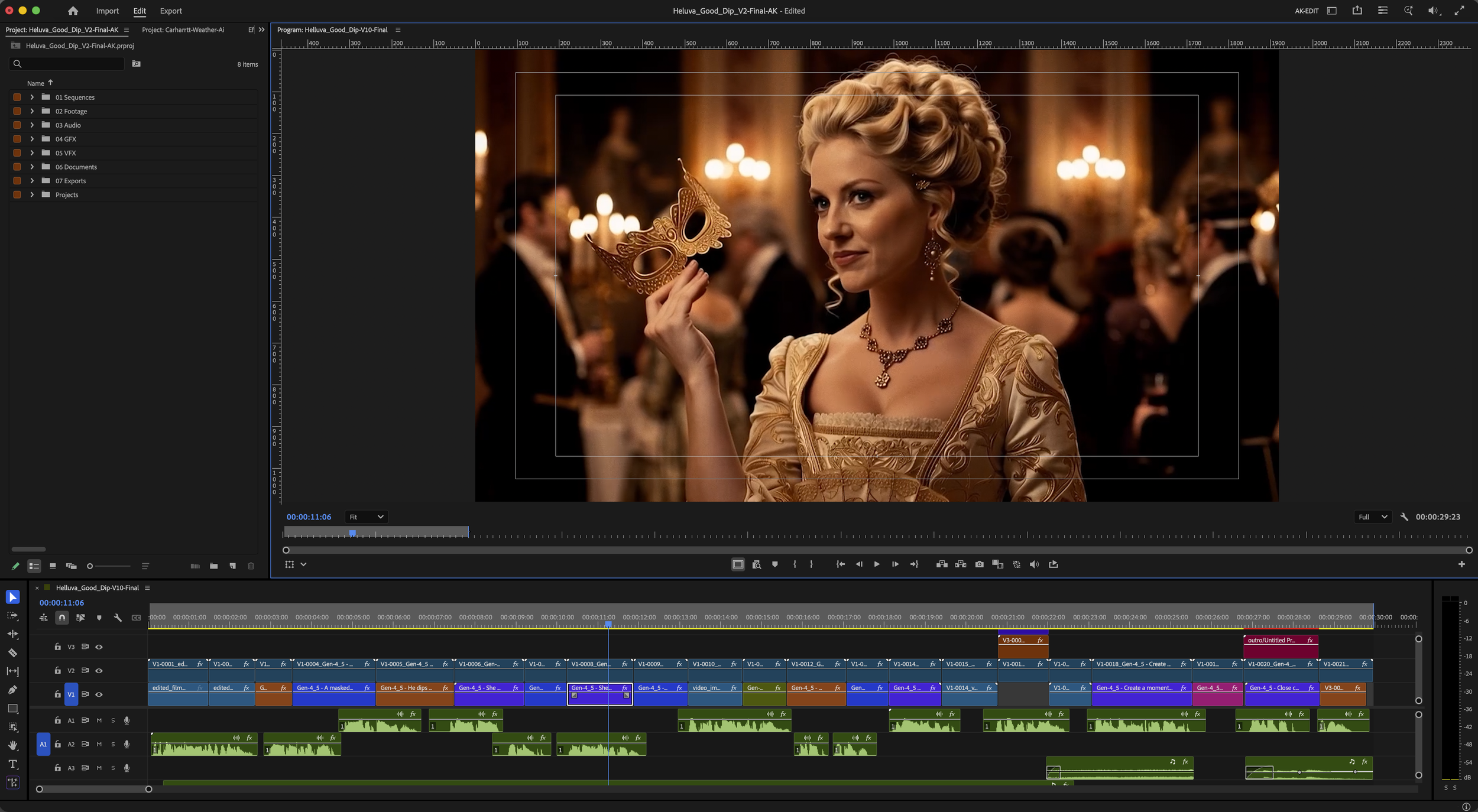
Like most things we make, this started with an idea—not a prompt. From there, we used AI throughout the creative process to develop imagery, experiment with movement and refine the visual language. The outputs were shaped, selected, edited and finished by our team. And there was plenty that didn’t work. That’s part of the experiment.
AI can generate a hundred possibilities incredibly quickly. The craft is knowing which one is actually worth chasing—and just as importantly, knowing when to stop chasing it. Every generation costs something. Credits. Render time. Artist time. And it’s surprisingly easy to fall into the trap of thinking the next prompt, variation or hundred credits will finally get you there. Sometimes it does. Sometimes you’re just burning time and money.
That’s becoming an important part of our process: recognizing where AI is opening doors and where it’s starting to fight back. If we’re spending more time trying to convince AI to do something than it would take us to shoot it, animate it, build it in 3D or solve it another way, it’s probably time to change tools.
WHAT WE LEARNED
AI is really good at opening doors. It can take an idea somewhere strange, surprising or completely unexpected. But getting from “holy shit, look at this” to a finished piece still requires the same things filmmaking always has: taste, storytelling, iteration and a lot of human decision-making. The goal isn’t to make something entirely with AI. It’s knowing when to use it, when to push it, when to stop—and when another tool is simply better for the job.
Not AI for AI’s sake. Just another tool in the box—and a pretty wild one at that.