

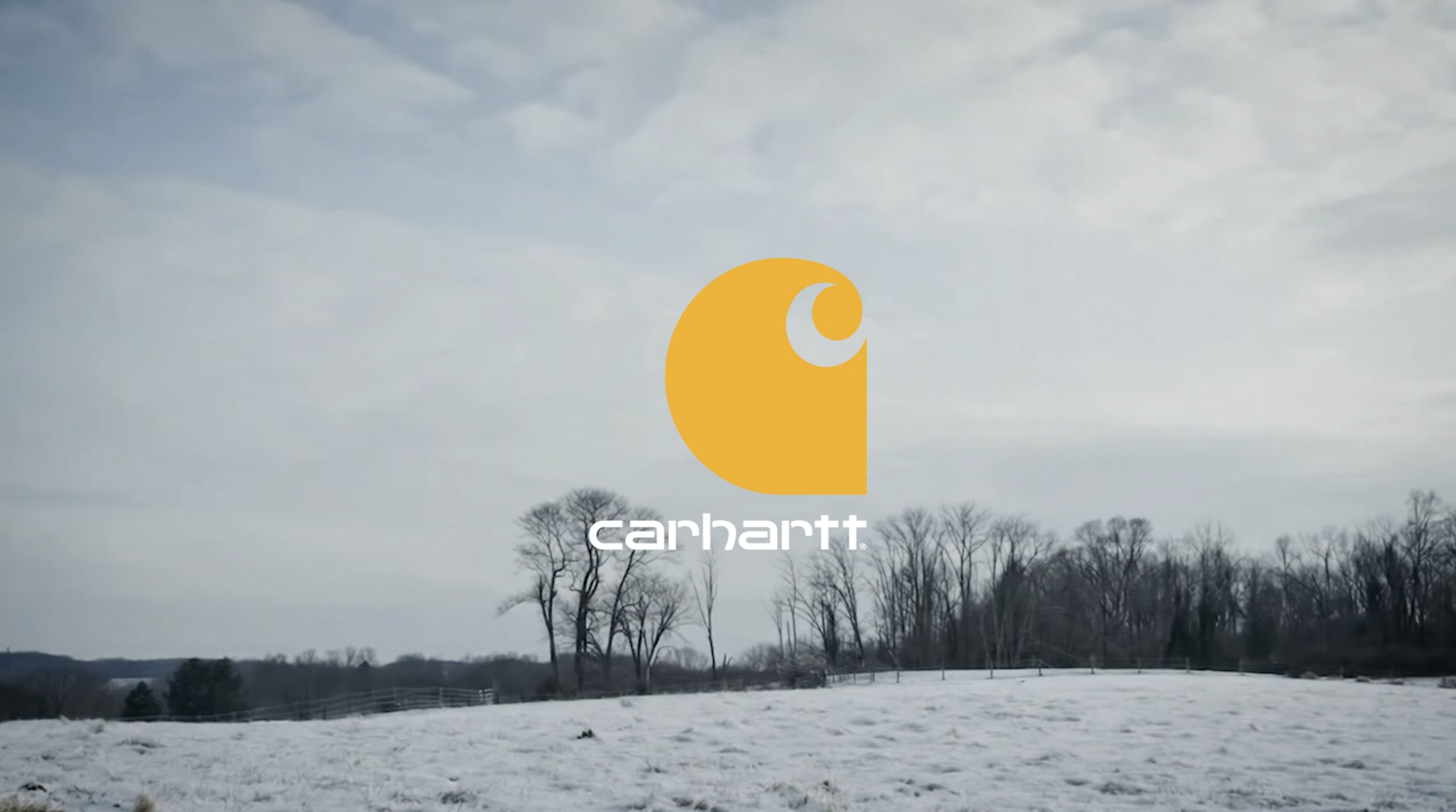
carhartt - ‘the farm’ (winter edition - a.i.)
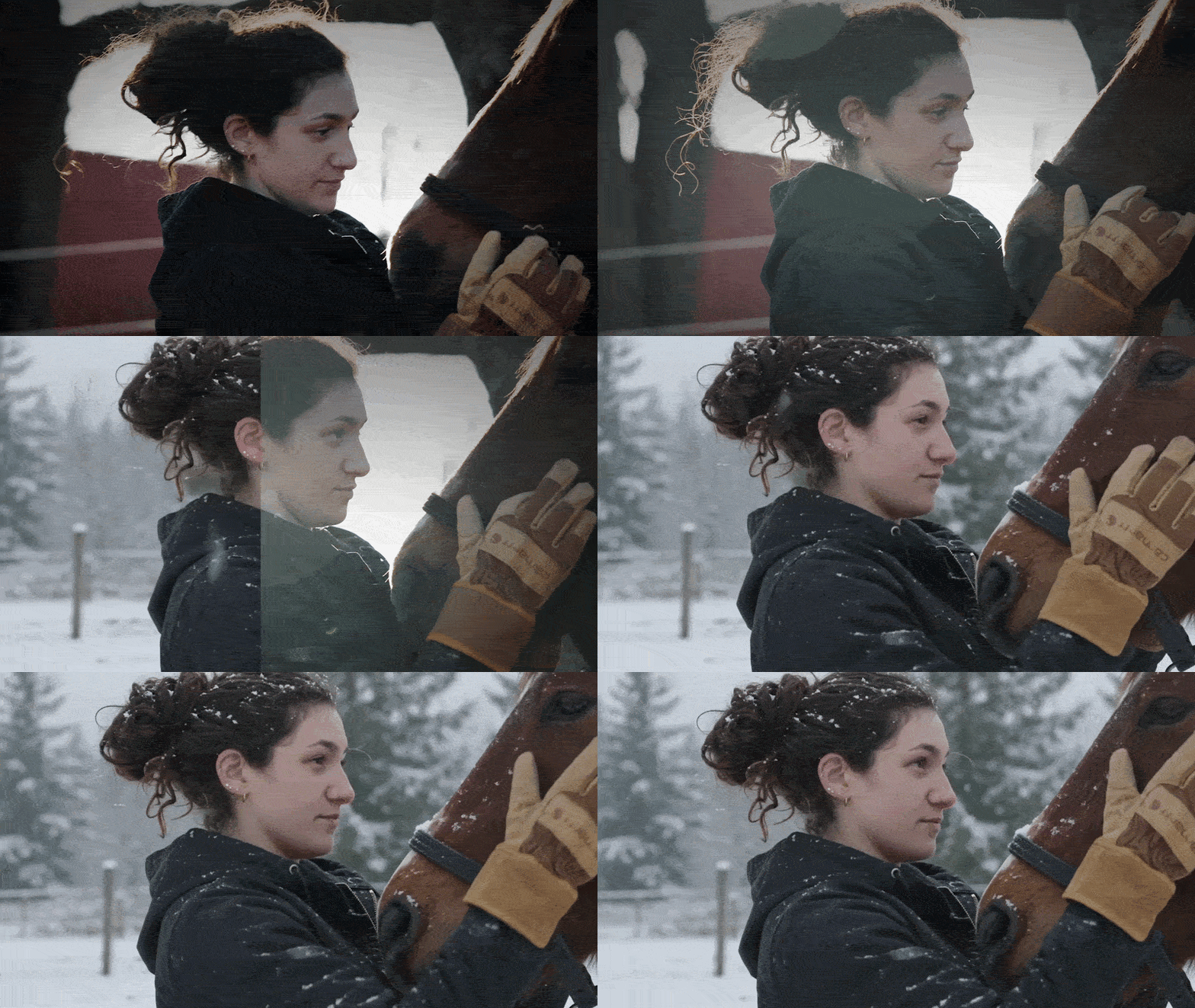
changing the weather.
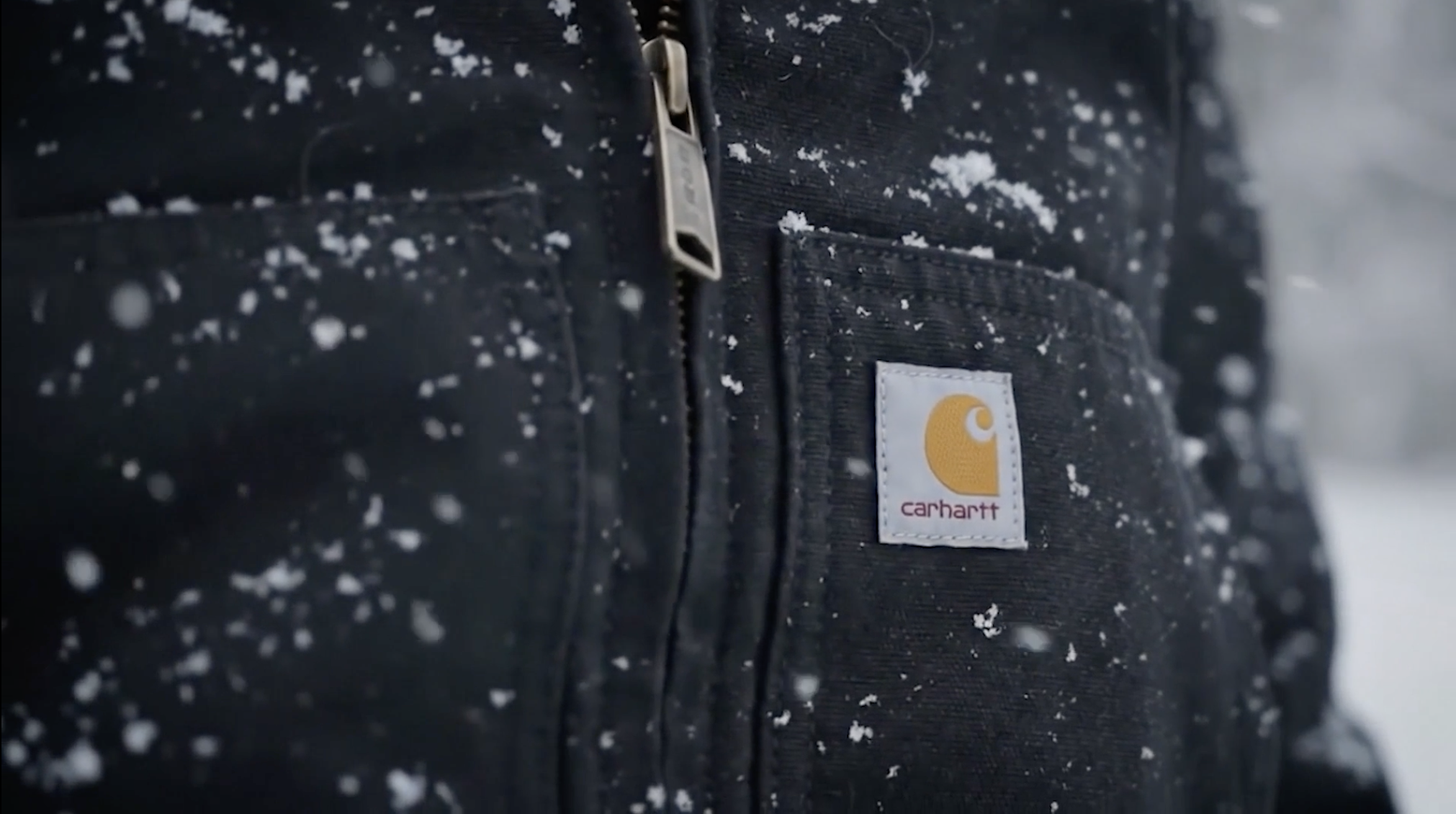
For this experiment, we started somewhere different. Instead of generating a film from scratch, we went back to existing footage we had already shot for Carhartt—a real location, real people and real photography captured on a mild fall day. Then we changed the weather.
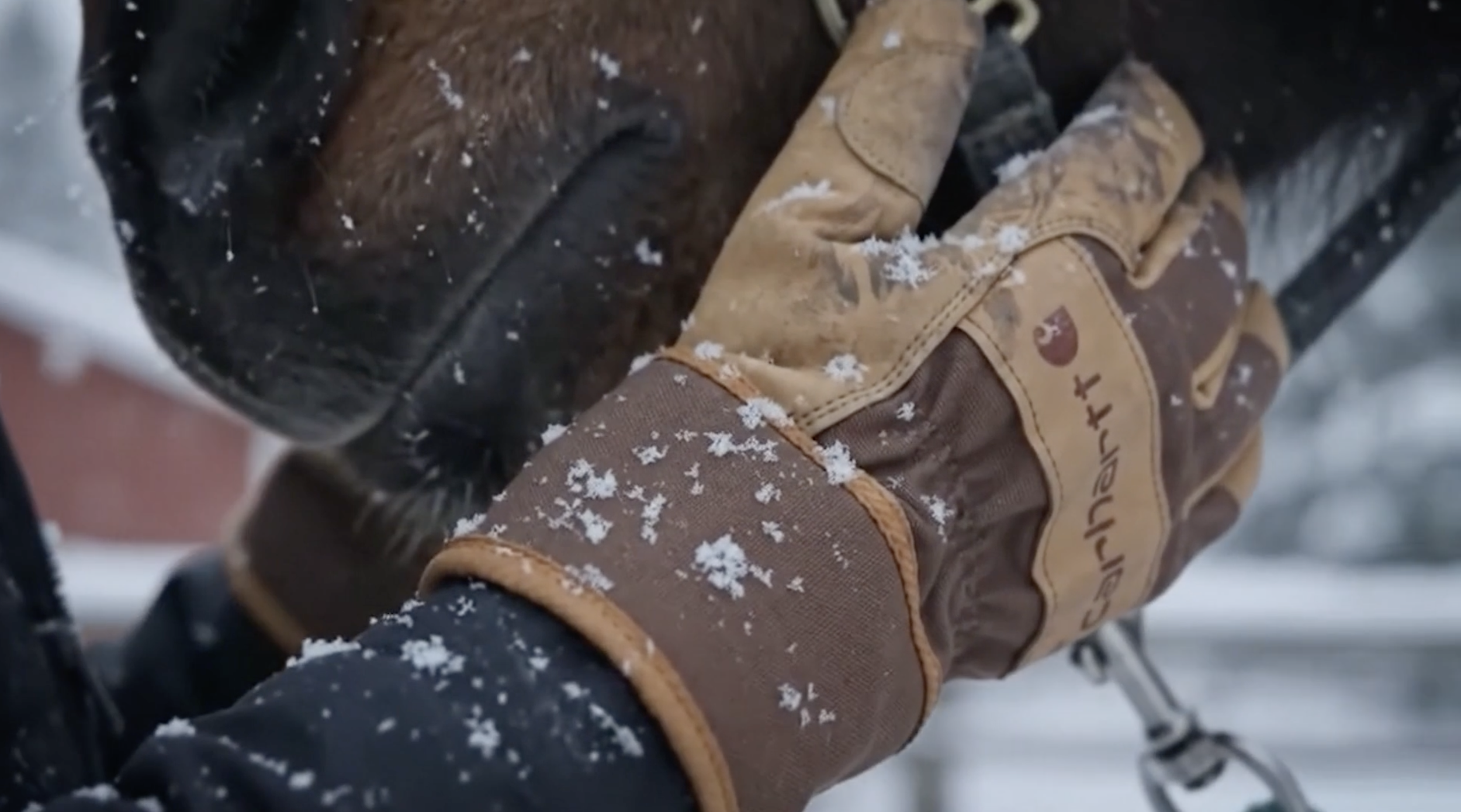
Using AI alongside our traditional post-production tools, we transformed the environment into a winter landscape, adding snow, changing the atmosphere and shifting the feeling of the original photography while keeping the foundation of the shot intact. And this is where we think AI gets really interesting.
WHY A.I.?
Commercial production has always been a balancing act between ambition, schedule and budget. You might only have one shoot day, but the story needs to move through multiple seasons. You might need morning, afternoon and dusk. The forecast doesn't cooperate. The location is perfect except for one thing. Or there simply isn't enough budget to build every version of the world practically.
Traditionally, those limitations can mean compromises—or expensive VFX solutions. AI gives us another option. Not necessarily to create the entire world, but to change the one we already captured.
THE PROCESS
We started with our original Carhartt footage and used AI to selectively transform the environment around it. Fall became winter. Snow was introduced. Atmosphere changed. Details were added and adjusted while the underlying photography, performance and camera work remained ours. And importantly, none of this happens with the push of a button.
Our post team is still making the decisions—choosing where AI makes sense, controlling what changes, refining the results and knowing when a traditional VFX, compositing or finishing technique is the better solution. AI becomes another tool inside that process rather than the process itself.
WHAT WE LEARNED
Right now, this might be the most exciting use of AI in our toolkit. Not full generation. Augmentation. Changing weather. Adding or removing props. Extending environments. Cleaning up locations. Changing the time of day. Adding atmosphere. Creating seasonal changes that would otherwise require another shoot day, a larger art department or a much heavier VFX lift. For lower-budget commercial filmmaking especially, that can be incredibly powerful.
A single production day can potentially give us more than it used to—not by replacing what happens on set, but by extending what we're able to do with it afterward. The more real information we give AI, the more interesting it becomes to us. We already have the performance. The lensing. The camera movement. The wardrobe. The location. The little imperfections that make something feel photographed instead of generated. AI doesn't need to invent those things. It can concentrate on the piece we want to change.
And that's where we currently see its strongest role in our process: less as a replacement for filmmaking and more as an evolving VFX toolkit for filmmakers. Shoot it for real. Then see how much further we can take it.